
The Role of AI in Modern Health Information Systems sets the stage for this enthralling narrative, offering readers a glimpse into a story that is rich in detail and brimming with originality from the outset.
In today's rapidly evolving healthcare landscape, artificial intelligence (AI) plays a pivotal role in transforming how health information systems operate. From enhancing medical image analysis to revolutionizing personalized medicine, AI's impact is profound and far-reaching.
Importance of AI in Health Information Systems
AI plays a crucial role in modern healthcare by revolutionizing the way health information is managed and utilized. By leveraging AI technologies, healthcare organizations can improve patient outcomes, enhance operational efficiency, and advance medical research.
Enhanced Diagnosis and Treatment
AI algorithms have the capability to analyze vast amounts of patient data quickly and accurately. This enables healthcare providers to make more precise diagnoses and tailor treatment plans based on individual patient characteristics. For example, AI-powered imaging tools can detect abnormalities in medical scans with high accuracy, leading to early detection of diseases such as cancer.
Streamlined Administrative Processes
Integrating AI into health information systems can automate administrative tasks, such as scheduling appointments, processing insurance claims, and managing medical records. This automation reduces the burden on healthcare staff, allowing them to focus more on patient care and improving overall operational efficiency.
Predictive Analytics for Preventive Care
AI can analyze historical patient data to identify patterns and predict potential health risks. By leveraging predictive analytics, healthcare providers can intervene early to prevent adverse health outcomes, leading to better preventive care strategies and improved patient outcomes. For instance, AI algorithms can help predict readmission rates for certain conditions, allowing healthcare organizations to implement targeted interventions.
Personalized Medicine
AI enables the development of personalized medicine by analyzing genetic, clinical, and lifestyle data to create tailored treatment plans for individual patients. This approach allows healthcare providers to deliver more precise and effective treatments, ultimately improving patient outcomes and reducing healthcare costs.
Applications of AI in Health Information Systems
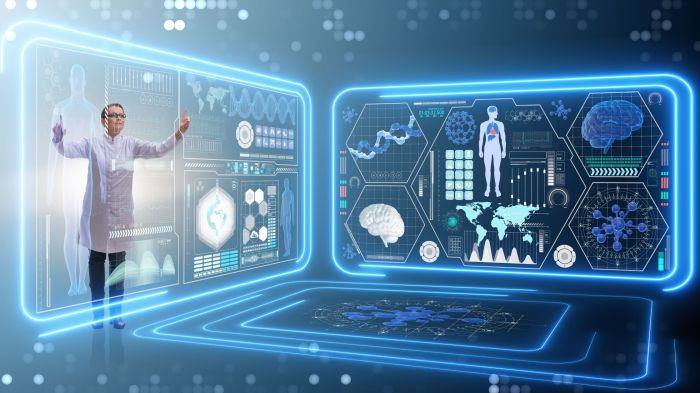
AI plays a crucial role in revolutionizing health information systems, offering various applications that enhance medical practices and patient outcomes.
Medical Image Analysis
AI is extensively used in medical image analysis to assist healthcare professionals in interpreting diagnostic images accurately and efficiently. By utilizing machine learning algorithms, AI can detect patterns and abnormalities in medical images such as X-rays, MRIs, and CT scans.
This technology enables early detection of diseases, improves diagnosis accuracy, and enhances treatment planning.
Personalized Medicine
AI applications in personalized medicine involve analyzing individual patient data to tailor medical treatments and interventions based on genetic, environmental, and lifestyle factors. By leveraging AI algorithms, healthcare providers can predict how a patient will respond to specific treatments, optimize medication dosages, and develop personalized care plans.
This approach enhances patient outcomes, reduces adverse reactions, and improves overall healthcare quality.
Predictive Analytics for Patient Outcomes
AI plays a crucial role in predictive analytics for patient outcomes by analyzing vast amounts of healthcare data to forecast potential outcomes and trends. Through machine learning models, AI can predict patient readmissions, identify high-risk individuals, and optimize care delivery strategies.
By leveraging predictive analytics, healthcare providers can proactively manage patient health, reduce hospitalizations, and enhance the overall quality of care.
Challenges and Limitations of AI in Health Information Systems
AI has revolutionized the healthcare industry, but it also comes with its set of challenges and limitations that need to be addressed. From ethical considerations to potential biases in algorithms, there are several factors to consider when implementing AI in health information systems.
Ethical Considerations in Healthcare AI
- AI raises concerns about patient privacy and data security, as it involves handling sensitive medical information.
- There is a need to ensure transparency in AI algorithms to maintain trust among patients and healthcare providers.
- Ethical dilemmas may arise when AI is used to make critical decisions in patient care, raising questions about accountability and liability.
Potential Biases in AI Algorithms
- AI algorithms can inherit biases from the data they are trained on, leading to disparities in patient treatment based on race, gender, or socioeconomic factors.
- Biased algorithms can result in incorrect diagnoses or treatment recommendations, compromising patient outcomes.
- It is essential to regularly audit and monitor AI systems to detect and address biases that may impact patient care.
Limitations of AI in Handling Complex Medical Data
- AI may struggle to interpret unstructured medical data, such as physician notes or images, leading to inaccuracies in decision-making.
- Complex medical cases that require nuanced understanding or human empathy may be challenging for AI systems to handle effectively.
- AI's reliance on historical data may limit its ability to adapt to new or rare medical conditions, potentially missing crucial information in diagnosis and treatment.
Future Trends in AI for Health Information Systems
Artificial Intelligence (AI) is continuously evolving, and its impact on the healthcare sector is expected to grow significantly in the future. Let's explore some key trends that are likely to shape the future of AI in health information systems.
Potential Impact of AI on the Future of Medical Research
AI has the potential to revolutionize medical research by accelerating the pace of discovery and innovation. Through advanced algorithms and machine learning techniques, AI can analyze massive amounts of data to identify patterns and insights that would be challenging for human researchers to uncover.
This can lead to the development of new treatments, drugs, and therapies at a much faster rate.
Possibilities of AI in Enhancing Patient Care and Diagnosis
AI-powered technologies such as predictive analytics and decision support systems have the potential to enhance patient care and diagnosis. By analyzing patient data in real-time, AI can help healthcare providers make more accurate diagnoses, personalize treatment plans, and predict potential health outcomes.
This can ultimately improve patient outcomes, reduce medical errors, and optimize healthcare delivery.
Integration of AI into Health Information Systems
In the future, we can expect to see greater integration of AI into health information systems. This includes the development of AI-driven electronic health records (EHRs) that can automatically update patient records, assist in clinical decision-making, and streamline administrative tasks.
AI-powered chatbots and virtual assistants may also become more prevalent in healthcare settings, providing patients with 24/7 access to medical information and support.
Enhanced Telemedicine and Remote Monitoring
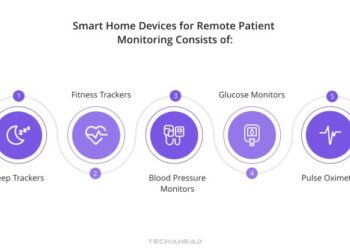
AI technology is likely to play a significant role in enhancing telemedicine and remote monitoring capabilities. With the help of AI-powered tools, healthcare providers can remotely monitor patients, analyze vital signs, and detect early warning signs of potential health issues.
This can improve access to care for patients in remote or underserved areas and enable more proactive and personalized healthcare interventions.
Ethical and Regulatory Considerations
As AI continues to advance in the healthcare sector, there will be growing concerns around ethical and regulatory issues. Ensuring patient privacy, data security, and algorithm transparency will be crucial to gaining public trust and acceptance of AI technologies. Regulatory bodies will need to establish clear guidelines and standards for the responsible development and deployment of AI in healthcare to mitigate potential risks and ensure patient safety.
Final Wrap-Up
In conclusion, The Role of AI in Modern Health Information Systems sheds light on the crucial intersection of technology and healthcare, highlighting the promising future where AI continues to revolutionize patient care and medical research.
FAQ Corner
What are some ethical considerations when using AI in healthcare?
Ethical considerations include issues of patient privacy, data security, and the potential for AI algorithms to reinforce existing biases in healthcare practices.
How will AI technology evolve in the healthcare sector in the future?
AI technology is expected to become more sophisticated, enabling predictive analytics, personalized treatment plans, and improved patient outcomes through advanced data analysis.