
Embark on a journey into the future of smart roofing technology, where innovation meets sustainability. This topic delves into the advancements shaping the construction industry, offering a glimpse into the exciting possibilities that lie ahead.
From energy-efficient solutions to environmental impact, smart roofing technology is paving the way for a greener, more efficient future in construction.
Overview of Smart Roofing Technology
Smart roofing technology refers to the use of innovative systems and materials to enhance the functionality and efficiency of roofs in buildings. This technology integrates various sensors, actuators, and connectivity features to monitor and control different aspects of the roof, providing valuable data for improved performance and sustainability.
Key Components of Smart Roofing Systems
Smart roofing systems consist of several key components that work together to optimize the roof's functionality. These components include:
- Sensors: Sensors are used to collect data on various parameters such as temperature, humidity, and weather conditions. This data helps in monitoring the roof's performance and identifying potential issues.
- Actuators: Actuators are responsible for making adjustments based on the data collected by sensors. They can regulate ventilation, heating, and cooling systems to maintain optimal conditions within the building.
- Connectivity: Smart roofing systems are connected to a central control unit, allowing for real-time monitoring and remote access. This connectivity enables building owners to manage their roofs efficiently and make informed decisions.
- Energy Harvesting: Some smart roofing systems incorporate energy harvesting technologies to generate power from solar or kinetic sources. This helps in reducing energy costs and making the building more sustainable.
Revolutionizing Traditional Roofing Practices
Smart roofing technology is revolutionizing traditional roofing practices by offering numerous benefits, including:
- Enhanced energy efficiency: Smart roofing systems can optimize energy consumption by adjusting heating, cooling, and lighting systems based on real-time data.
- Improved maintenance: The data collected by sensors can help in identifying maintenance needs before they escalate into major issues, reducing repair costs and prolonging the roof's lifespan.
- Enhanced safety and security: Smart roofing systems can detect intrusions, leaks, or other safety hazards, alerting building owners or authorities in real-time to take necessary action.
- Sustainability: By incorporating energy harvesting technologies and optimizing energy usage, smart roofing systems contribute to a more sustainable environment and reduced carbon footprint.
Advantages of Smart Roofing Technology
Smart roofing technology offers numerous advantages that contribute to energy efficiency, cost savings, and environmental impact. By implementing these innovative solutions, homeowners and businesses can enjoy a range of benefits.
Energy Efficiency
Smart roofing technology plays a crucial role in optimizing energy consumption within buildings. By using materials that are designed to regulate temperature and reduce heat transfer, smart roofs can help maintain a comfortable indoor environment without overreliance on heating or cooling systems.
This leads to lower energy bills and decreased carbon emissions, making it a sustainable choice for the environment.
Cost-Saving Advantages
One of the key advantages of smart roofing technology is the potential for significant cost savings over time. By improving insulation, reducing energy usage, and increasing the lifespan of the roof itself, smart roofing solutions can lower maintenance and utility costs for homeowners and building owners.
Additionally, some smart roofs are equipped with solar panels or other energy-generating features, allowing users to generate their electricity and further reduce expenses.
Environmental Impact
Smart roofing technology has a positive environmental impact by reducing the overall carbon footprint of buildings. By decreasing energy consumption, smart roofs help lower greenhouse gas emissions and contribute to sustainability efforts. Additionally, certain smart roofing materials are recyclable or made from eco-friendly components, further reducing waste and minimizing environmental harm.
Innovative Features of Smart Roofing Systems
Smart roofing technology has seen significant advancements in recent years, with the integration of IoT (Internet of Things) playing a crucial role in enhancing the functionality of roofs. Sensors and data analytics have also become key components in smart roofing systems, allowing for real-time monitoring and improved efficiency.
Integration of IoT in Smart Roofing Systems
The incorporation of IoT in smart roofing systems has revolutionized the way roofs are managed and maintained. By connecting various devices and sensors to the internet, roofs can now collect and transmit data in real-time. This allows for proactive maintenance, early detection of issues, and remote monitoring capabilities.
For example, IoT-enabled roofs can automatically adjust ventilation or heating systems based on weather conditions, leading to energy savings and improved comfort for building occupants.
Role of Sensors and Data Analytics
Sensors placed strategically throughout a smart roof can provide valuable insights into the roof's performance and condition. These sensors can detect leaks, temperature changes, moisture levels, and other crucial factors that impact the roof's longevity. Data analytics then processes this information, identifying patterns, predicting potential issues, and optimizing maintenance schedules.
By harnessing the power of data, smart roofing systems can minimize downtime, reduce repair costs, and extend the lifespan of the roof.
Integration with Smart Home Technology
Smart roofing technology is paving the way for seamless integration with other smart home devices, creating a truly connected and automated living space. By leveraging the power of the Internet of Things (IoT), smart roofs can communicate with various smart devices such as thermostats, lighting systems, security cameras, and more
Centralized Control and Automation
Smart roofs allow for centralized control and automation in smart homes, enabling homeowners to manage different aspects of their home environment with ease. For example, a smart roof can work in tandem with a smart thermostat to regulate indoor temperature based on external weather conditions, optimizing energy efficiency and comfort.
Additionally, smart roofs can be programmed to adjust lighting based on natural light levels, further enhancing energy savings and convenience.
Enhanced Security Features
Smart roofing technology can also enhance security features in a smart home setup. By integrating with smart security systems, such as cameras and motion sensors, smart roofs can provide real-time monitoring of the property and alert homeowners of any unusual activity.
This added layer of security offers peace of mind and ensures a safe living environment.
Energy Management and Savings
Another benefit of integrating smart roofing technology with smart home devices is improved energy management and cost savings. Smart roofs can work in conjunction with energy monitoring systems to track energy usage and optimize consumption patterns. By analyzing data collected from various sensors embedded in the roof, homeowners can make informed decisions to reduce energy waste and lower utility bills.
Sustainability and Green Initiatives
Smart roofing technology plays a crucial role in promoting sustainable building practices and supporting green initiatives in the construction industry. By incorporating innovative features and advanced materials, smart roofing systems can significantly reduce the environmental impact of buildings and contribute to a more eco-friendly future.
Role of Smart Roofing Systems
- Smart roofing systems help reduce energy consumption by regulating indoor temperatures effectively, thus decreasing the reliance on heating and cooling systems powered by non-renewable energy sources.
- By utilizing solar panels and photovoltaic cells, smart roofs can generate clean and renewable energy, further reducing the carbon footprint of buildings.
- The use of reflective coatings in smart roofing technology can minimize heat absorption, lowering the urban heat island effect and decreasing the need for air conditioning.
Certifications and Standards
- Green roofing technologies often adhere to certifications such as LEED (Leadership in Energy and Environmental Design) and ENERGY STAR, ensuring compliance with sustainable building practices and environmental standards.
- Roofing materials used in smart roofing systems may be certified by organizations like the Cool Roof Rating Council (CRRC) for their energy-efficient properties and environmental benefits.
- Adherence to green building codes and standards like the International Green Construction Code (IgCC) further validates the eco-friendly nature of smart roofing technologies.
Challenges and Future Developments
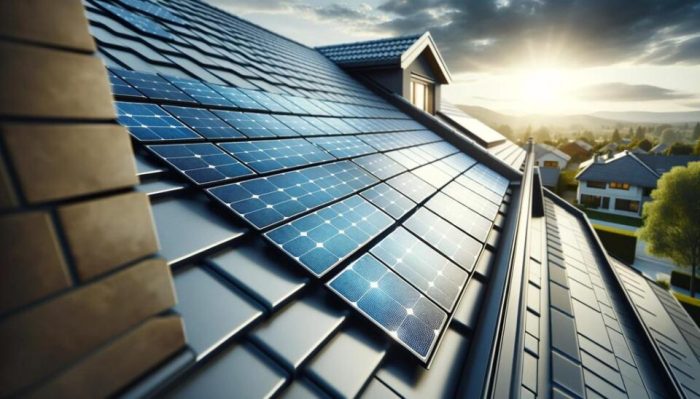
Smart roofing technology presents various challenges in its adoption and implementation, as well as exciting opportunities for future developments and advancements in the field.
Challenges in Adoption
One of the main challenges in the adoption of smart roofing technology is the initial cost involved in installing these advanced systems. The high upfront investment can be a barrier for many homeowners and businesses looking to upgrade their roofing systems.
Additionally, there may be a lack of awareness or understanding about the benefits of smart roofing technology, leading to slower adoption rates.
Future Trends and Developments
Looking ahead, the future of smart roofing technology is promising, with several key trends and developments expected to shape the industry. One significant trend is the integration of artificial intelligence and machine learning algorithms into smart roofing systems. These technologies can enhance the efficiency and performance of roofing systems, optimizing energy consumption and overall functionality.
Another emerging trend is the use of advanced materials and coatings that can enhance the durability and longevity of smart roofing systems. Innovations in materials science are enabling the development of roofing materials that are not only smart but also sustainable and eco-friendly.
Research Areas for Enhancement
Research in the field of smart roofing technology is focused on enhancing the efficiency and effectiveness of these systems. One key research area is the development of sensors and monitoring technologies that can provide real-time data on the performance of roofing systems.
By integrating sensors that can detect changes in weather conditions, temperature, and energy usage, smart roofing systems can adapt and optimize their operations for maximum efficiency.
Closure
As we wrap up our exploration of The Future of Smart Roofing Technology, it's clear that the landscape of construction is evolving rapidly. The potential for smart roofs to revolutionize traditional practices while promoting sustainability is truly remarkable. Stay tuned for more exciting developments in this space.
Commonly Asked Questions
How do smart roofs contribute to energy efficiency?
Smart roofs utilize technology to optimize energy consumption, reducing overall energy costs for buildings.
What certifications are relevant to green roofing technologies?
LEED (Leadership in Energy and Environmental Design) certification is commonly associated with sustainable building practices, including smart roofing systems.
What are the key challenges in adopting smart roofing technology?
Challenges include initial costs, compatibility issues with existing infrastructure, and the need for specialized installation expertise.