
Smart Living and Technology: Insurance Risks and Rewards sets the stage for this enthralling narrative, offering readers a glimpse into a story that is rich in detail with casual formal language style and brimming with originality from the outset.
As we delve into the intricate relationship between smart living and technology, a world of possibilities unfolds before us, showcasing the dynamic landscape where innovation meets insurance.
Smart Living and Technology
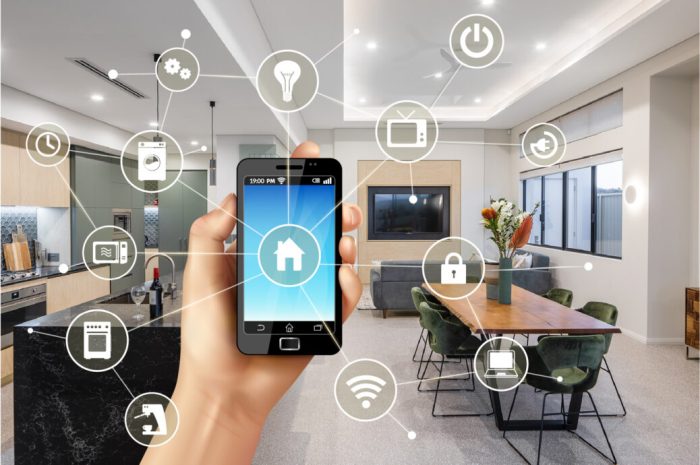
Smart living refers to the integration of technology into everyday life to enhance convenience, efficiency, and overall quality of life. From smart home devices to wearable fitness trackers, technology has revolutionized the way we live, work, and interact with our surroundings.
Technology's Influence on the Insurance Industry
Technology has significantly impacted the insurance industry by allowing for more personalized and data-driven policies. Insurers can now utilize data from smart devices to assess risk more accurately, leading to tailored coverage and pricing for policyholders.
- Telematics devices in cars can track driving behavior, allowing for usage-based insurance policies that reward safe drivers with lower premiums.
- Smart home security systems can detect potential risks like fires or break-ins, leading to proactive measures and potentially lower insurance claims.
Insurance Risks Associated with Smart Living Technologies
While the integration of technology in smart living has its benefits, there are also inherent risks that can affect insurance coverage. For example, privacy concerns with smart home devices can lead to data breaches or unauthorized access, potentially impacting insurance policies and coverage.
- Connected devices may be vulnerable to cyber attacks, leading to compromised data and potential insurance fraud.
- Inaccurate data from wearable devices like fitness trackers could impact health insurance premiums or claims if not properly monitored or validated.
Benefits and Rewards of Using Technology to Mitigate Insurance Risks
Despite the risks, leveraging technology to mitigate insurance risks can result in numerous benefits and rewards for both insurers and policyholders. By implementing smart technologies and data analytics, insurers can offer more customized policies, improve risk assessment accuracy, and streamline claims processes for faster resolution.
- Early detection and prevention of potential risks through smart devices can lead to reduced claims and lower premiums for policyholders.
- Data-driven insights from connected devices can help insurers incentivize healthy behaviors or safe practices, ultimately resulting in better coverage options and cost savings.
Internet of Things (IoT) Devices and Insurance
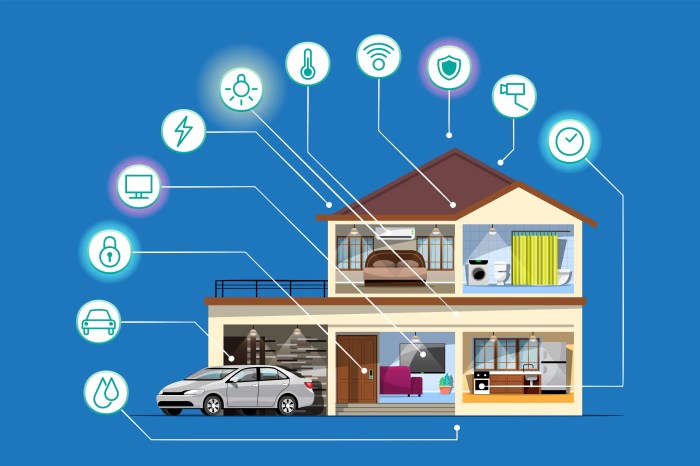
IoT devices have revolutionized smart living by connecting various household appliances and gadgets to the internet, allowing for seamless automation and control. These devices collect data, analyze patterns, and provide valuable insights to enhance efficiency and convenience in daily life.
Potential Risks of IoT Devices to Insurance Policies
- Privacy Concerns: IoT devices collect sensitive personal data that may be vulnerable to cyberattacks, leading to potential privacy breaches.
- Security Risks: Hackers can exploit vulnerabilities in IoT devices to gain unauthorized access to homes, posing a threat to property and safety.
- Data Breaches: In the event of a data breach, insurance companies may face challenges in protecting customer information and preventing financial losses.
Adaptation of Insurance Companies to IoT Technology
- Usage-Based Insurance: Insurance companies are leveraging IoT data to offer personalized policies based on individual behavior and risk factors.
- Risk Assessment: IoT devices help insurers assess risks more accurately by monitoring real-time data and identifying potential hazards.
- Claims Processing: IoT technology streamlines the claims process by providing detailed insights into incidents, enabling faster and more efficient claim settlements.
Comparison of Traditional Insurance Models with IoT-Driven Solutions
- Traditional models rely on historical data and generalized risk assessments, while IoT-driven solutions offer real-time monitoring and personalized risk evaluations.
- IoT devices enable proactive risk management and preventive measures, reducing the likelihood of claims and improving overall insurance outcomes.
- Insurance companies embracing IoT technology can enhance customer experience, increase operational efficiency, and stay competitive in the evolving market landscape.
Data Security and Privacy Concerns
In the realm of insurance and technology, data security and privacy are paramount considerations that individuals and companies must address to safeguard sensitive information and prevent unauthorized access.
Examples of Data Breaches in Insurance Companies
- One notable incident involved a major insurance provider where hackers gained access to customer data, including personal details and financial information, leading to a significant breach in privacy.
- Another instance saw an insurance company's database compromised, resulting in the exposure of policyholder data, potentially putting individuals at risk of identity theft and fraud.
Insurance Coverage for Cyber Threats
- Insurance plays a crucial role in mitigating losses incurred from cyber threats by providing coverage for expenses related to data breaches, such as forensic investigations, legal fees, and customer notifications.
- Cyber insurance policies can also offer financial protection against business interruption due to cyber attacks, helping companies recover from the impact of downtime and lost revenue.
Measures to Protect Data and Privacy
- Implementing robust cybersecurity measures, such as encryption, firewalls, and multi-factor authentication, can help safeguard sensitive data from unauthorized access.
- Regularly updating software and systems, conducting security audits, and educating employees on best practices for data protection are essential steps in enhancing overall cybersecurity posture.
- Being cautious about sharing personal information online and practicing good password hygiene, such as using strong, unique passwords for different accounts, can also minimize the risk of data breaches and privacy violations.
Artificial Intelligence (AI) in Insurance
Artificial Intelligence (AI) is revolutionizing the insurance sector by streamlining processes, enhancing risk assessment, and improving efficiency. AI technologies are being increasingly integrated into various aspects of insurance operations, transforming how insurers assess risks and underwrite policies.
Impact of AI on Risk Assessment and Underwriting Processes
AI algorithms analyze vast amounts of data to identify patterns and trends that traditional methods may overlook. This enables insurers to make more accurate risk assessments and pricing decisions, ultimately leading to better underwriting outcomes. By leveraging AI, insurers can automate repetitive tasks, reduce human error, and expedite the underwriting process.
Examples of AI Applications in Insurance
- Chatbots and virtual assistants: AI-powered chatbots assist customers in filing claims, answering policy-related queries, and providing personalized recommendations.
- Claims processing automation: AI algorithms can quickly assess and process insurance claims by analyzing images, documents, and other relevant data, reducing processing time and improving accuracy.
- Fraud detection: AI tools can detect suspicious patterns in insurance claims data, flagging potential fraud cases for further investigation and helping insurers mitigate risks.
Potential Risks and Rewards of AI Integration in Insurance
-
Rewards:
AI integration can lead to cost savings, improved customer experiences, and enhanced operational efficiency for insurance companies. Insurers can offer more personalized products, optimize pricing strategies, and better manage risks through AI-driven insights.
-
Risks:
However, concerns around data privacy, algorithm bias, and job displacement have emerged with the widespread adoption of AI in insurance. Insurers must address these ethical and regulatory challenges to ensure responsible AI use and maintain customer trust.
Ending Remarks
In conclusion, Smart Living and Technology: Insurance Risks and Rewards sheds light on the evolving intersection of modern living, technology, and insurance. It highlights the importance of staying informed about the risks and rewards that come with embracing technological advancements in our daily lives.
Query Resolution
What are some common risks associated with smart living technologies?
Common risks include privacy breaches, data leaks, and vulnerabilities to hacking. It's crucial to stay vigilant and secure your smart devices.
How is AI being utilized in the insurance sector?
AI is revolutionizing insurance with automated claims processing, risk assessment, and personalized customer experiences. It streamlines operations and enhances efficiency.
What steps can individuals take to protect their data and privacy in the realm of smart living?
Individuals should update device security settings regularly, use strong passwords, enable two-factor authentication, and be cautious of sharing personal information online.