
"With “How Smart Living Technology Is Changing Apartment Rentals” at the forefront, this paragraph opens a window to an amazing start and intrigue, inviting readers to embark on a storytelling journey filled with unexpected twists and insights."
"The role of smart living technology in transforming apartment rentals, specific smart devices commonly used, and how it enhances the living experience for tenants will be explored."
Impact of Smart Living Technology on Apartment Rentals
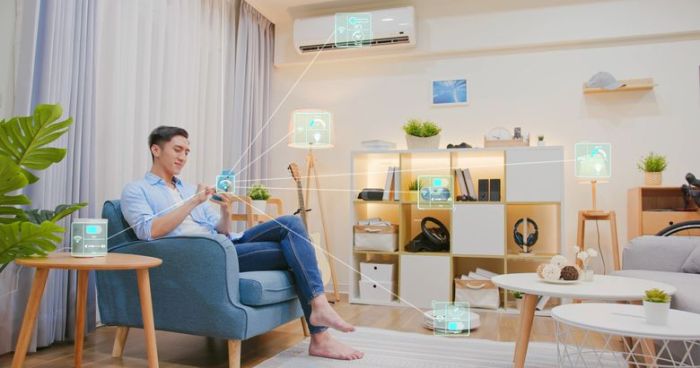
Smart living technology has revolutionized the way apartment rentals are managed and experienced by tenants. By incorporating innovative devices and systems, property owners can offer a more convenient, secure, and efficient living environment for their residents.
Role of Smart Living Technology
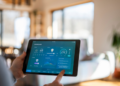
Smart devices such as smart thermostats, smart locks, and smart lighting systems play a crucial role in transforming apartment rentals. These devices allow tenants to control various aspects of their living space remotely, enhancing convenience and comfort.
- Smart Thermostats: These devices enable tenants to regulate the temperature of their apartment from anywhere using a mobile app. This not only helps in saving energy costs but also ensures a comfortable living environment.
- Smart Locks: Smart locks provide enhanced security by allowing keyless entry through personalized codes or smartphone apps. Tenants can easily grant access to visitors or service providers without the need for physical keys.
- Smart Lighting Systems: With smart lighting systems, tenants can adjust the brightness and color of lights in their apartment using voice commands or a smartphone. This feature adds convenience and enhances the overall ambiance of the living space.
Enhanced Living Experience
The integration of smart technology in apartment rentals offers numerous benefits to tenants. From increased security and energy efficiency to improved convenience and comfort, smart devices contribute to a more enjoyable and modern living experience.
Advantages of Implementing Smart Technology in Apartment Rentals
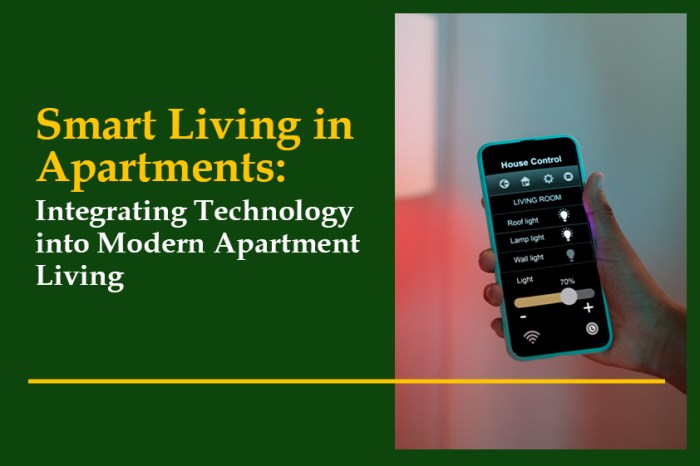
Implementing smart technology in apartment rentals offers a multitude of advantages for property owners and managers. From increased security to improved energy efficiency, the benefits are numerous.
Cost Implications of Installing Smart Devices vs. Traditional Systems
When comparing the cost implications of installing smart devices versus traditional systems, it is important to consider the long-term savings and added value that smart technology can provide. While the initial investment in smart devices may be higher, the potential cost savings in energy efficiency and maintenance can result in significant financial benefits over time.
Additionally, smart devices often require less frequent replacement compared to traditional systems, leading to lower long-term costs for property owners.
Improving Security and Energy Efficiency in Rental Units
Smart technology can greatly enhance security in rental units by offering features such as smart locks, security cameras, and motion sensors. These devices provide real-time monitoring and alerts, allowing property owners to quickly respond to any security threats. In terms of energy efficiency, smart thermostats, lighting systems, and appliances can help reduce energy consumption and lower utility costs for both property owners and tenants.
By allowing for remote monitoring and control of energy usage, smart technology enables more sustainable and cost-effective operation of rental units.
Challenges and Limitations of Smart Living Technology in Apartment Rentals
Integrating smart living technology in apartment rentals can bring about various challenges and limitations that landlords need to consider before implementation. These challenges range from technical issues to concerns about privacy and data security.
Potential Challenges Faced by Landlords
- Initial Costs: Investing in smart technology can be expensive, especially for landlords with multiple rental units to equip with smart devices.
- Technical Expertise: Landlords may lack the technical knowledge required to install, maintain, and troubleshoot smart devices effectively.
- Compatibility Issues: Ensuring that different smart devices work seamlessly together and with existing systems in the rental property can be a challenge.
- Tenant Resistance: Some tenants may be resistant to the idea of constant monitoring and data collection through smart devices in their rental units.
Privacy Concerns with Smart Devices
- Data Collection: Smart devices collect a significant amount of data about tenants' behavior, raising concerns about privacy and potential misuse of this information.
- Data Security: Ensuring that the data collected by smart devices is secure and protected from cyber threats is a critical concern for landlords and tenants alike.
- Consent Issues: Landlords need to navigate the delicate balance between using smart technology to improve efficiency and respecting tenants' right to privacy and consent.
Limitations and Drawbacks of Implementing Smart Technology
- Reliability: Smart devices are not immune to technical glitches or malfunctions, which can disrupt tenants' daily routines and cause inconvenience.
- Maintenance Costs: Regular maintenance and updates of smart devices can add to the operational costs for landlords, impacting their overall budget.
- Dependency on Internet Connectivity: Smart devices rely on stable internet connections, and any interruptions in service can render the technology ineffective.
- Lack of Standardization: The lack of industry standards for smart living technology can make it challenging to select compatible devices and systems for rental properties.
Future Trends in Smart Living Technology for Apartment Rentals
The evolution of smart technology is set to significantly impact the rental market in the coming years, revolutionizing the way apartment living is experienced. With advancements in technology, there are several emerging trends that are expected to shape the future of apartment rentals.
Integration of AI and Machine Learning
The integration of artificial intelligence (AI) and machine learning algorithms is poised to revolutionize apartment rentals. These technologies will enable smart systems to learn tenant preferences, optimize energy consumption, and enhance security measures. By leveraging AI and machine learning, rental units can provide a more personalized and efficient living experience for tenants.
IoT Connectivity and Smart Home Ecosystems
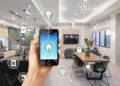
The Internet of Things (IoT) connectivity will play a crucial role in creating smart home ecosystems within rental units. Tenants will be able to control various aspects of their living environment, such as lighting, temperature, and appliances, through a centralized smart hub.
This interconnectedness will not only offer convenience but also improve energy efficiency and overall comfort.
Enhanced Sustainability and Energy Efficiency
Future smart living technologies will focus on enhancing sustainability and energy efficiency in apartment rentals. Implementing features like smart thermostats, energy-efficient appliances, and automated lighting systems will not only reduce utility costs for tenants but also contribute to a greener environment.
Landlords and property managers are likely to prioritize sustainability initiatives to attract eco-conscious tenants.
Last Recap
"As we conclude, the impact of smart living technology on apartment rentals is evident in the changing landscape of rental properties. The future holds exciting possibilities for both tenants and property owners in this tech-driven era."
Expert Answers
"What are some examples of smart devices commonly used in apartment rentals?"
"Examples include smart thermostats, smart locks, security cameras, and smart lighting systems."
"How can smart technology improve security in rental units?"
"Smart technology can enhance security through features like remote monitoring, keyless entry systems, and alarm integration."
"What challenges do landlords face when integrating smart technology in apartment rentals?"
"Challenges may include initial setup costs, tenant education on device usage, and potential technical issues."