
Exploring the impact of Smart Home Technology on property values worldwide opens up a realm of possibilities and insights. Dive into this engaging discussion to uncover the fascinating relationship between technology and real estate values.
Delve deeper into the correlation between Smart Home Technology and property values, examining global trends, integration in real estate listings, and the financial benefits for homeowners.
Importance of Smart Home Technology in Property Value
Smart home technology has become increasingly important in determining the value of a property in today's real estate market. Homes equipped with smart devices are not only more convenient and efficient but also attract a higher resale value due to the added features and benefits they offer.
Correlation between Smart Home Technology and Property Value
Smart home technology has a direct correlation with property value as it enhances the overall appeal and functionality of a home. Features such as smart thermostats, security systems, lighting controls, and automated blinds can significantly increase the value of a property.
Examples of Smart Home Devices that Increase Property Value
- Smart Thermostats: Devices like Nest Learning Thermostat can help homeowners save on energy costs and improve overall energy efficiency, making the property more attractive to potential buyers.
- Smart Security Systems: Systems like Ring Video Doorbell or SimpliSafe provide added security and peace of mind, which can increase the perceived value of a property.
- Smart Lighting Controls: Philips Hue smart lighting systems allow for customizable lighting options that can enhance the ambiance of a home and appeal to buyers looking for modern features.
Impact of Smart Home Features on Attracting Potential Buyers
Properties with smart home features are more likely to attract potential buyers who value convenience, security, and energy efficiency. The presence of smart devices can set a property apart from others on the market and make it more appealing to a tech-savvy audience.
Global Trends in Smart Home Technology Adoption
Smart home technology adoption is on the rise globally, with certain regions leading the way in integrating these innovative solutions into residential properties. The impact of smart home technology on property values varies from country to country, influenced by cultural factors and the level of adoption in each region.
Regions with the Highest Adoption Rates
In the United States, Western Europe, and parts of Asia Pacific, smart home technology adoption is particularly high. These regions have seen a rapid uptake of devices such as smart thermostats, security cameras, and voice assistants, contributing to the overall value of properties.
- The United States: With tech-savvy consumers and a strong market for home automation, the U.S. leads in smart home technology adoption. Properties equipped with smart devices tend to command higher prices and attract more buyers.
- Western Europe: Countries like Germany, the UK, and France have embraced smart home technology, with a focus on energy efficiency and convenience. Homeowners investing in these technologies often see an increase in property value.
- Asia Pacific: Countries like Japan, South Korea, and Singapore are at the forefront of smart home innovation. The integration of smart technologies in homes has become a standard practice, positively impacting property values in these regions.
Impact on Property Values
The impact of smart home technology on property values varies depending on the country and the specific technologies implemented. In general, homes equipped with smart devices tend to sell faster and at a higher price compared to traditional properties. The convenience, security, and energy-saving benefits of smart home technology appeal to buyers, increasing the overall value of the property.
Cultural Factors Influencing Integration
Cultural factors play a significant role in the integration of smart home technology. In countries where technology is deeply ingrained in daily life, such as the U.S. and South Korea, smart home adoption is more widespread. On the other hand, regions with a strong emphasis on tradition and privacy may show slower adoption rates.
Understanding cultural preferences and values is crucial in determining the success of smart home technology in different countries.
Integration of Smart Home Features in Real Estate Listings
When it comes to marketing properties with smart home technology, real estate agents play a crucial role in highlighting these features to potential buyers. By effectively showcasing the smart home features in property listings, agents can increase the desirability of the property and attract tech-savvy buyers looking for modern amenities
Tips for Showcasing Smart Home Features
- Include a detailed description of each smart home feature in the listing, highlighting the benefits and convenience it offers to the homeowner.
- Use high-quality photos or videos to visually showcase the smart home technology in action, giving potential buyers a clear idea of what to expect.
- Mention any energy-saving benefits or cost-efficiency that the smart home features provide, emphasizing the long-term value they bring to the property.
- Highlight any automation capabilities of the smart home system, such as remote access or voice control, to showcase the modern and convenient lifestyle it offers.
Role of Smart Home Technology in Property Desirability
- Smart home technology can significantly increase the desirability of a property among buyers who value convenience, security, and modern living standards.
- Properties with smart home features tend to stand out in a competitive market, attracting a wider range of potential buyers and potentially leading to quicker sales.
- Buyers are willing to pay a premium for properties with smart home technology, as they see it as an investment in comfort, security, and future-proofing their home.
- Real estate agents can leverage smart home technology as a unique selling point for a property, setting it apart from other listings and appealing to tech-savvy buyers.
Financial Benefits of Installing Smart Home Technology
Investing in smart home technology can offer significant financial benefits to homeowners. Not only does it increase property value, but it also leads to cost savings in the long run.
Return on Investment for Homeowners
When homeowners invest in smart home devices, they can expect a good return on investment. Smart technology can increase the overall value of the property, making it more attractive to potential buyers in the future.
Cost-effective Integration of Smart Home Features
- One cost-effective way to integrate smart home features into a property is to start small with basic devices like smart thermostats or lighting systems.
- Homeowners can also look for energy-efficient appliances that have smart capabilities to improve the overall efficiency of their home.
- Consider investing in a smart home hub that can control multiple devices, allowing for a seamless integration of different smart features.
Energy-efficient Technology for Cost Savings
Energy-efficient smart home technology can lead to substantial cost savings for homeowners. By optimizing energy usage and reducing waste, smart devices help lower utility bills and overall expenses in the long term.
Ending Remarks
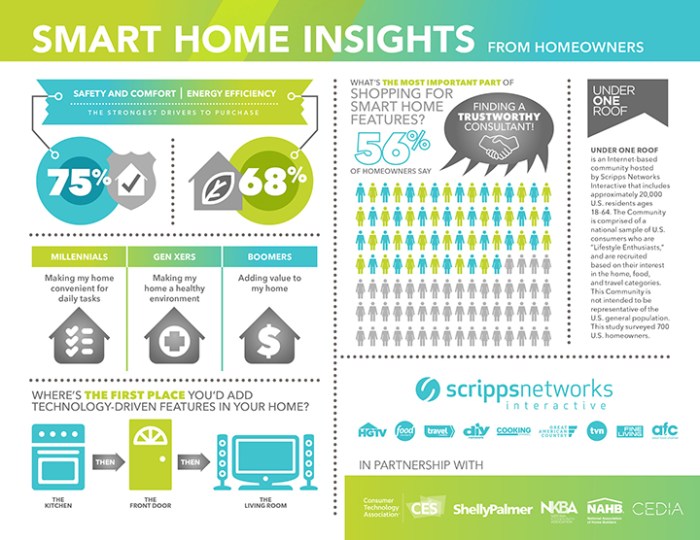
In conclusion, the discussion on How Smart Home Technology Affects Property Value Globally sheds light on the dynamic landscape of real estate in the digital age. From increased desirability to potential cost savings, the future of property values is intertwined with technological advancements.
FAQ Corner
How does Smart Home Technology impact property values?
Smart Home Technology can increase property values by offering convenience, security, and energy efficiency, making homes more attractive to potential buyers.
Which regions have the highest adoption rates of Smart Home Technology?
Countries like the United States, South Korea, and Germany are known for their high adoption rates of Smart Home Technology.
What are cost-effective ways to integrate Smart Home features into a property?
Installing smart light bulbs, smart thermostats, and smart security systems are affordable ways to incorporate Smart Home features.
How can Smart Home Technology lead to cost savings for homeowners?
Energy-efficient Smart Home devices help reduce utility bills by optimizing energy consumption, resulting in long-term cost savings for homeowners.