
How Electronic Health Records Are Changing Patient Care sets the stage for this enthralling narrative, offering readers a glimpse into a story that is rich in detail and brimming with originality from the outset.
Electronic Health Records (EHRs) have transformed the landscape of patient care, revolutionizing the way healthcare is delivered and managed in today's digital age.
Importance of Electronic Health Records (EHRs)
Electronic Health Records (EHRs) play a crucial role in modern healthcare by providing a digital platform for storing and managing patient information. This shift from traditional paper records to electronic systems has revolutionized patient care in numerous ways.
Revolutionizing Patient Care
One significant way EHRs have transformed patient care is by improving accessibility to medical records. With EHRs, healthcare providers can easily access a patient's information, including medical history, medications, test results, and treatment plans, leading to more informed decision-making and personalized care.
Another key benefit of EHRs is the enhancement of communication and coordination among healthcare teams. By allowing multiple providers to access and update a patient's records in real-time, EHRs facilitate seamless collaboration, reducing errors and ensuring continuity of care.
Benefits Over Traditional Paper Records
- Efficiency: EHRs enable quick retrieval of patient information, eliminating the need to sift through paper files, resulting in time savings for healthcare providers.
- Accuracy: EHRs reduce the risk of errors associated with manual documentation, such as illegible handwriting or misplaced records, promoting patient safety.
- Cost-effectiveness: While initial implementation costs may be present, EHRs ultimately lead to long-term cost savings by streamlining processes and reducing paperwork.
- Enhanced Patient Engagement: Patients can access their health records online, empowering them to take an active role in their healthcare and make informed decisions.
Impact on Patient Care
Electronic Health Records (EHRs) play a crucial role in improving patient care by enhancing accuracy in diagnosis and treatment, facilitating communication among healthcare providers, and enabling personalized care for patients.
Improved Accuracy in Patient Diagnosis and Treatment
EHRs help healthcare providers access comprehensive and up-to-date patient information, including medical history, test results, and medications. This accessibility leads to more accurate diagnoses and appropriate treatment plans, reducing the risk of medical errors and improving patient outcomes.
Enhanced Communication Among Healthcare Providers
EHRs promote seamless communication among healthcare team members by allowing instant sharing of patient records, test results, and treatment plans. This real-time collaboration ensures that all providers involved in a patient's care are well-informed and can make coordinated decisions, leading to more efficient and effective treatment.
Contribution to Personalized Patient Care
EHRs enable healthcare providers to tailor treatment plans according to each patient's unique needs and preferences. By analyzing data stored in EHRs, providers can identify trends, predict potential health risks, and offer personalized interventions to improve patient outcomes. This personalized approach to care enhances patient satisfaction and overall quality of healthcare delivery.
Accessibility and Portability
In the realm of healthcare, the accessibility and portability of patient information are crucial aspects that can significantly impact the quality of care provided. Electronic Health Records (EHRs) play a pivotal role in ensuring that patient data is readily available to authorized personnel, regardless of their location.
Easy Accessibility for Authorized Personnel
EHRs enable healthcare providers to access patient information with just a few clicks, eliminating the need to sift through paper records or wait for faxes to arrive. This quick and easy access to critical data allows medical professionals to make informed decisions promptly, leading to better patient outcomes.
Seamless Care During Patient Transfers
When patients are transferred between different healthcare facilities or providers, EHRs ensure that their medical history, test results, and treatment plans are seamlessly transferred along with them. This continuity of information prevents delays in care, reduces the risk of errors, and ensures that patients receive the appropriate treatment without gaps in their healthcare journey.
Continuity of Care Across Different Settings
EHRs play a vital role in maintaining continuity of care for patients who receive treatment from various healthcare providers or settings. Whether a patient visits a primary care physician, a specialist, or an emergency room, their EHR allows healthcare professionals to access comprehensive information about their health status, medications, allergies, and past treatments.
This comprehensive view of the patient's medical history enables providers to deliver personalized care and avoid redundant tests or treatments.
Integration with Telemedicine
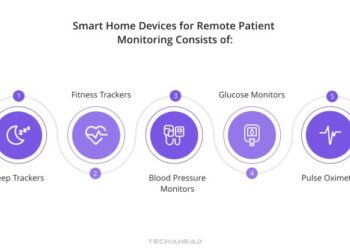
Electronic Health Records (EHRs) play a crucial role in supporting telemedicine services by providing healthcare providers with access to patient information remotely. This integration allows for real-time communication and collaboration between healthcare professionals and patients, regardless of their physical location.
Benefits of Integrating EHRs with Telehealth Platforms
- Improved Coordination of Care: EHRs enable healthcare providers to access patient records seamlessly, leading to better coordination of care among multiple providers involved in telemedicine consultations.
- Enhanced Patient Engagement: Patients can easily access their health information through telemedicine platforms integrated with EHRs, empowering them to take an active role in their healthcare management.
- Efficient Decision-Making: With instant access to comprehensive patient data, healthcare providers can make informed decisions quickly during telemedicine consultations, improving the quality of care.
- Cost Savings: Integrating EHRs with telehealth platforms can reduce redundant tests and procedures, leading to cost savings for both patients and healthcare organizations.
Challenges and Solutions Related to Using EHRs in Telemedicine
- Interoperability Issues: One of the main challenges is the lack of interoperability between different EHR systems and telemedicine platforms. Solutions include implementing standardized data exchange formats and protocols.
- Security Concerns: Maintaining the security and privacy of patient data transmitted during telemedicine consultations is crucial. Solutions involve using encryption and multi-factor authentication methods to protect sensitive information.
- Technical Integration Hurdles: Integrating EHRs with telemedicine platforms may require technological expertise and resources. Solutions include partnering with experienced vendors and conducting thorough training for healthcare staff.
- Regulatory Compliance: Adhering to regulatory requirements, such as HIPAA, while using EHRs in telemedicine is essential. Solutions include ensuring that telemedicine platforms comply with data protection laws and regulations.
Data Security and Privacy
Electronic Health Records (EHRs) contain sensitive patient information that must be safeguarded at all costs. Here, we will explore the measures in place to secure patient data within EHR systems and the importance of maintaining patient privacy.
Measures to Secure Patient Data
- Encryption: Patient data stored in EHR systems is encrypted to protect it from unauthorized access. Encryption ensures that only authorized personnel can view the information.
- Access Controls: EHR systems have strict access controls in place to limit who can view, edit, or share patient data. This helps prevent unauthorized users from accessing sensitive information.
- Regular Audits: Regular audits of EHR systems are conducted to monitor access logs and detect any unusual activity. This helps in identifying potential security breaches and taking corrective actions.
Importance of Patient Privacy
Patient privacy is paramount in healthcare, and maintaining confidentiality in EHRs is crucial for building trust between patients and healthcare providers. Patients need to feel confident that their sensitive information is secure and only accessible to authorized individuals.
Role of Regulations like HIPAA
- Health Insurance Portability and Accountability Act (HIPAA):HIPAA sets forth guidelines and regulations to protect patient data privacy and security. It mandates that healthcare providers, insurers, and other entities handling patient information adhere to strict privacy standards to safeguard patient confidentiality.
- Penalties:HIPAA violations can result in severe penalties, including fines and legal action. This underscores the importance of compliance with regulations to ensure patient data security and privacy.
Final Conclusion
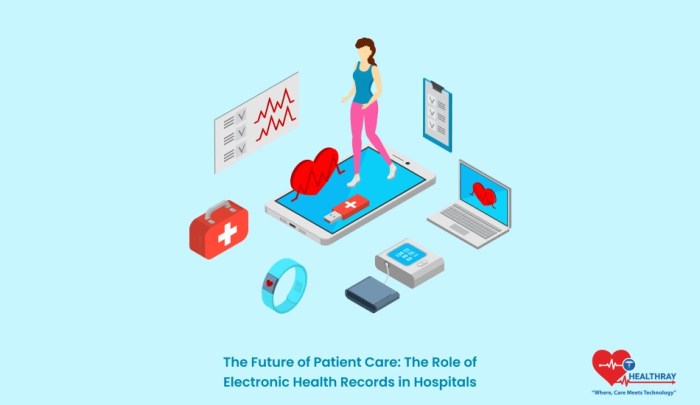
In conclusion, the impact of Electronic Health Records on patient care is profound, paving the way for a future where healthcare is more efficient, accurate, and patient-centered. The evolution continues, shaping a new era of personalized and accessible healthcare for all.
Commonly Asked Questions
How secure are Electronic Health Records (EHRs) in terms of patient data protection?
EHR systems have stringent measures in place to safeguard patient data, including encryption, access controls, and regular security audits to prevent breaches.
How do Electronic Health Records (EHRs) enhance communication among healthcare providers?
EHRs enable real-time sharing of patient information, test results, and treatment plans among healthcare professionals, leading to improved coordination and collaboration in patient care.
What role do Electronic Health Records (EHRs) play in ensuring continuity of care during patient transfers?
EHRs facilitate the seamless transfer of patient information between healthcare facilities, ensuring that essential data is accessible to new providers to maintain continuity of care and treatment.
How do Electronic Health Records (EHRs) support telemedicine services?
EHRs enable remote access to patient data, allowing healthcare providers to deliver telemedicine services efficiently by consulting patient records, sharing information, and ensuring accurate diagnosis and treatment.