
Exploring the realm of Using Smart Technology to Improve Remote Patient Monitoring, this introduction sets the stage for a detailed discussion on the benefits, challenges, and future trends in this innovative approach to healthcare.
The following paragraphs will delve into the various aspects of smart technology in remote patient monitoring, shedding light on its impact and potential in revolutionizing the healthcare industry.
Introduction to Remote Patient Monitoring
Remote patient monitoring involves the use of technology to collect and transmit patient data from a distance, allowing healthcare providers to monitor patients outside of traditional healthcare settings. This method provides real-time data on patients' vital signs, symptoms, and overall health status.The importance of using smart technology in remote patient monitoring cannot be overstated.
Smart devices enable continuous monitoring of patients, leading to early detection of any health issues or changes in condition. This proactive approach helps prevent complications, reduce hospital readmissions, and improve overall patient outcomes.
Examples of Smart Technologies in Healthcare for Remote Monitoring
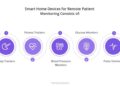
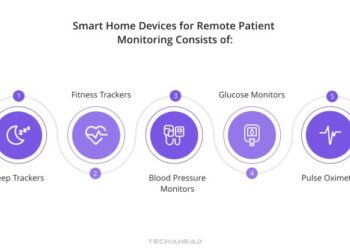
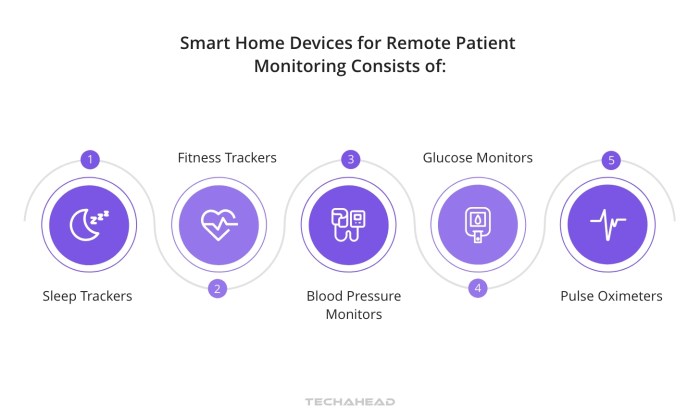
- Wearable devices like smartwatches and fitness trackers that can track heart rate, activity levels, and sleep patterns.
- Remote monitoring platforms that allow patients to input data such as blood pressure readings, blood glucose levels, and medication adherence.
- Telehealth systems that enable virtual consultations and remote check-ins with healthcare providers.
Benefits of Using Smart Technology in Remote Patient Monitoring
Smart technology plays a crucial role in improving remote patient monitoring by enhancing patient outcomes, increasing engagement, and providing cost-saving benefits.
Improved Patient Outcomes
Smart technology allows healthcare providers to continuously monitor patients' vital signs and health data in real-time. This proactive approach enables early detection of any concerning changes, leading to timely interventions and improved patient outcomes. For example, wearable devices can track heart rate, blood pressure, and activity levels, providing valuable insights into a patient's health status.
Enhanced Patient Engagement
Smart technology empowers patients to take an active role in managing their health. Through mobile apps and remote monitoring devices, patients can easily track their progress, receive personalized health recommendations, and communicate with their healthcare team. This increased engagement fosters a sense of ownership over their health, leading to better adherence to treatment plans and improved health outcomes.
Cost-Saving Benefits
Utilizing smart technology for remote patient monitoring can result in significant cost savings for healthcare systems. By remotely monitoring patients and intervening early when necessary, healthcare providers can prevent unnecessary hospital admissions, emergency room visits, and complications. This proactive approach not only reduces healthcare costs but also improves the overall efficiency of care delivery.
Types of Smart Technology for Remote Patient Monitoring
Smart technology plays a crucial role in remote patient monitoring, offering various devices that enable healthcare providers to track and manage patients' health status effectively.
Wearables for Remote Patient Monitoring
Wearable devices such as smartwatches and fitness trackers have become popular tools for remote patient monitoring. These devices can track vital signs, activity levels, sleep patterns, and even detect potential health issues. By wearing these devices, patients can transmit real-time data to healthcare professionals, allowing for continuous monitoring without the need for frequent in-person visits.
IoT Devices in Remote Patient Monitoring
The Internet of Things (IoT) devices are instrumental in collecting and transmitting patient data in real-time. These devices can include sensors, monitoring equipment, and other connected devices that gather information and send it to a centralized system for analysis. IoT technology enables healthcare providers to have access to accurate and up-to-date data, allowing for timely interventions and personalized care plans for patients.
Challenges and Considerations in Implementing Smart Technology for Remote Patient Monitoring
Implementing smart technology in remote patient monitoring comes with its own set of challenges and considerations that need to be carefully addressed to ensure a successful and effective system.
Privacy and Security Concerns
- The use of smart technology in healthcare raises significant concerns about the privacy and security of patient data. It is crucial to implement robust security measures to protect sensitive information from cyber threats and unauthorized access.
- Ensuring compliance with data protection regulations such as HIPAA is essential to maintain patient confidentiality and trust in the remote monitoring system.
- Regular security audits and updates are necessary to address any vulnerabilities and mitigate risks associated with the use of smart technology.
Data Accuracy and Reliability
- One of the key challenges in remote patient monitoring is ensuring the accuracy and reliability of the data collected by smart devices. Any inaccuracies or errors in data could lead to incorrect diagnoses or treatment decisions.
- Calibration and regular maintenance of smart devices are crucial to ensure that the data they collect is consistent and reliable for healthcare providers to make informed decisions.
- Data validation processes and quality control measures should be implemented to verify the accuracy of the information transmitted from smart devices to the remote monitoring system.
Integration with Existing Healthcare Systems
- Integrating smart technology with existing healthcare systems can be a complex process that requires careful planning and coordination among different stakeholders.
- Compatibility issues between smart devices and healthcare software platforms may arise, requiring technical expertise to resolve and ensure seamless integration.
- Training healthcare professionals on how to use smart technology effectively within their existing workflow is crucial to maximize the benefits of remote patient monitoring and overcome any resistance to change.
Future Trends in Smart Technology for Remote Patient Monitoring
The future of smart technology in remote patient monitoring looks promising, with advancements in artificial intelligence (AI) and machine learning set to revolutionize the way healthcare providers track and manage patient health remotely. Telemedicine platforms are also expected to play a significant role in conjunction with smart devices for remote monitoring, offering a seamless and efficient way to connect patients with healthcare professionals.
Additionally, telehealth services are poised to become integral in the future of remote patient monitoring, providing patients with convenient access to healthcare services from the comfort of their own homes.
Impact of Artificial Intelligence and Machine Learning
AI and machine learning algorithms are anticipated to enhance remote patient monitoring by analyzing large volumes of patient data in real-time. These technologies can help healthcare providers detect patterns, predict potential health issues, and personalize treatment plans based on individual patient needs.
By leveraging AI and machine learning, remote patient monitoring systems can become more accurate, efficient, and proactive in managing patient health.
Integration of Telemedicine Platforms with Smart Devices
Telemedicine platforms, when integrated with smart devices such as wearable sensors and remote monitoring devices, can enable real-time communication between patients and healthcare providers. This integration allows for continuous monitoring of vital signs, medication adherence, and overall health status, leading to timely interventions and improved health outcomes.
The seamless connectivity offered by telemedicine platforms and smart devices enhances the efficiency and effectiveness of remote patient monitoring.
Role of Telehealth Services in Remote Patient Monitoring
Telehealth services are expected to play a pivotal role in the future of remote patient monitoring by expanding access to healthcare services beyond traditional clinical settings. Through telehealth platforms, patients can consult with healthcare professionals, receive virtual care, and participate in remote monitoring programs from anywhere, at any time.
This increased accessibility to healthcare services promotes patient engagement, improves health outcomes, and reduces healthcare costs, making remote patient monitoring more sustainable and effective in the long run.
End of Discussion
In conclusion, Using Smart Technology to Improve Remote Patient Monitoring offers a promising avenue for enhancing patient care and outcomes. As technology continues to advance, the possibilities for remote monitoring are endless, paving the way for a more connected and efficient healthcare system.
FAQ Resource
What is remote patient monitoring?
Remote patient monitoring involves using technology to collect patient data outside of traditional healthcare settings.
How does smart technology improve patient outcomes?
Smart technology allows for continuous monitoring and early detection of health issues, leading to timely interventions and improved outcomes.
What are some examples of smart technologies used in healthcare for remote monitoring?
Examples include wearable devices like smartwatches, health tracking apps, and IoT devices that transmit real-time patient data.
What are the privacy concerns associated with using smart technology in healthcare?
Privacy concerns include data security, unauthorized access to patient information, and potential breaches in the system.
How will artificial intelligence impact remote patient monitoring in the future?
Artificial intelligence is expected to enhance data analysis, predictive modeling, and personalized care in remote patient monitoring.