
The Ultimate Buyer’s Guide to Smart Living Technology Plans sets the stage for this enthralling narrative, offering readers a glimpse into a story that is rich in detail and brimming with originality. From defining smart living technology plans to exploring the benefits and examples of popular devices, this guide is a must-read for anyone looking to enhance their living space with cutting-edge technology.
As we delve deeper into the intricacies of smart living technology plans, readers will uncover valuable insights on factors to consider, designing customized plans, installation processes, and maximizing security and privacy. Get ready to embark on a journey towards a smarter, more efficient living environment.
Introduction to Smart Living Technology Plans
Smart living technology plans are comprehensive strategies designed to integrate various smart devices and systems into living spaces to enhance convenience, efficiency, and overall quality of life. These plans encompass the use of cutting-edge technologies to automate and control different aspects of a home, making daily routines more streamlined and enjoyable.Incorporating smart technology into living spaces offers numerous benefits, including increased energy efficiency, enhanced security, improved comfort, and convenience.
By connecting devices such as smart thermostats, lighting systems, security cameras, and virtual assistants, individuals can create a more connected and intelligent home environment.
Popular Smart Devices in Smart Living Technology Plans
- Smart Thermostats: Devices that learn your preferences and adjust temperature settings automatically to optimize energy usage and comfort.
- Smart Lighting Systems: Lighting fixtures that can be controlled remotely or programmed to adjust brightness, color, and ambiance according to specific preferences.
- Smart Security Cameras: High-definition cameras equipped with motion detection, night vision, and two-way audio capabilities for enhanced home security monitoring.
- Virtual Assistants: Voice-activated devices that can perform various tasks, such as setting reminders, playing music, controlling smart devices, and providing information through voice commands.
Factors to Consider Before Choosing a Smart Living Technology Plan
When selecting a smart living technology plan, it is crucial to assess your lifestyle needs to ensure that the plan aligns with your requirements and preferences. Considerations such as budget, compatibility with existing devices, scalability for future needs, and ease of use play a significant role in making an informed decision.
Key Factors to Consider:
- Budget:Evaluate your budget constraints and choose a plan that offers the best value for the features you need. Consider upfront costs, monthly fees, and any additional expenses that may arise.
- Compatibility:Ensure that the smart living technology plan is compatible with your existing devices and systems to avoid any compatibility issues or the need for additional investments.
- Scalability:Look for a plan that can grow with your needs over time. Scalability is essential to accommodate future upgrades or changes in your lifestyle without the need for a complete overhaul of the system.
- Ease of Use:Opt for a plan that is user-friendly and easy to operate. Complicated systems may lead to frustration and underutilization of the technology.
Types of Smart Living Technology Plans:
| Plan Type | Description |
|---|---|
| Home Automation | Offers control over various home functions like lighting, climate, security, and entertainment through a centralized system. |
| Energy Management | Focuses on optimizing energy usage in the home through smart devices and systems to reduce energy bills and environmental impact. |
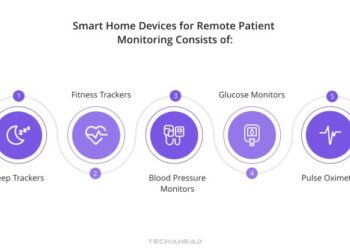
| Health and Wellness | Includes devices and services that monitor health metrics, promote wellness, and provide assistance in case of emergencies. |
| Smart Security | Enhances home security with features like smart locks, cameras, and sensors for real-time monitoring and alerts. |
Designing a Customized Smart Living Technology Plan
Creating a personalized smart living technology plan is essential to ensure that your home functions seamlessly to meet your specific needs and preferences. By customizing your plan, you can optimize the use of smart devices to enhance convenience, efficiency, and comfort in your living space.
Selecting the Right Mix of Devices
When designing your smart living technology plan, consider the different areas of your home where smart devices can make a significant impact. Start by identifying the devices that align with your lifestyle and priorities. For example, if you value security, you may want to invest in smart security cameras and smart locks.
If energy efficiency is important to you, smart thermostats and lighting systems can help you save on energy costs. By selecting the right mix of devices, you can create a cohesive smart home ecosystem that caters to your specific needs.
Integration of Smart Technology for Energy Efficiency and Sustainability
Integrating smart technology into your home can not only enhance convenience but also promote energy efficiency and sustainability. Smart devices such as thermostats, lighting systems, and appliances can be programmed to optimize energy usage based on your habits and preferences.
By monitoring and controlling your energy consumption through smart technology, you can reduce waste and lower your carbon footprint. Additionally, some smart devices are designed to help you track your energy usage and make informed decisions to further improve efficiency.
Installation and Setup of Smart Devices
When it comes to smart living technology plans, the installation and setup of smart devices play a crucial role in ensuring a seamless and efficient smart home experience. Proper installation and setup can make all the difference in how well your devices function and communicate with each other.
Connecting Devices to a Central Hub or Network
- Start by reading the instruction manuals of each smart device to understand the setup requirements.
- Identify a central hub or network that will serve as the control center for all your smart devices.
- Follow the manufacturer's instructions to connect each device to the central hub or network, usually through Wi-Fi or Bluetooth.
- Ensure that each device is properly configured and recognized by the central hub for seamless communication.
- Test the connectivity and functionality of each device to ensure they are working correctly within the network.
Troubleshooting Common Installation Issues
- If a device is not connecting to the network, try resetting the device and the network settings to establish a new connection.
- Check for any firmware updates for the devices or the central hub to ensure compatibility and optimal performance.
- Verify that the Wi-Fi signal strength is strong enough to reach all devices in your smart home setup.
- Contact the manufacturer's customer support for assistance if you encounter persistent issues during installation and setup.
Maximizing Security and Privacy in Smart Living Technology Plans
In today's digital age, ensuring the security and privacy of smart devices and networks is crucial to protect sensitive data and prevent unauthorized access. Implementing robust security measures in smart living technology plans is essential to safeguard against cyber threats.
Importance of Securing Smart Devices and Networks
Securing smart devices and networks is vital to prevent cyber attacks and unauthorized access to personal information. Hackers often target vulnerable devices to gain access to sensitive data, posing a significant risk to privacy and security.
Best Practices for Ensuring Data Privacy
- Regularly update device firmware and software to patch security vulnerabilities.
- Enable strong passwords and two-factor authentication for all devices and networks.
- Implement network segmentation to isolate smart devices from critical systems.
- Disable unnecessary features and services that may expose devices to potential risks.
Role of Encryption and Secure Authentication Methods
Encryption plays a crucial role in protecting data transmitted between devices and networks, ensuring that sensitive information remains secure and confidential. Secure authentication methods, such as biometric recognition or token-based authentication, add an extra layer of security to prevent unauthorized access to smart devices.
End of Discussion
In conclusion, The Ultimate Buyer’s Guide to Smart Living Technology Plans encapsulates the essence of modern living, where technology seamlessly integrates with our daily lives to enhance convenience, efficiency, and security. Whether you're a tech enthusiast or a beginner in the realm of smart devices, this guide equips you with the knowledge needed to make informed decisions and transform your living space into a smart haven.
Dive into the world of smart living technology plans and unlock a future where innovation meets lifestyle seamlessly.
Common Queries
What are smart living technology plans?
Smart living technology plans encompass a range of devices and systems that integrate technology into various aspects of daily living to enhance convenience, efficiency, and security.
How should I assess lifestyle needs before choosing a smart living technology plan?
Assessing lifestyle needs involves considering factors such as daily routines, preferences, and specific requirements to tailor the technology plan to suit individual needs effectively.
What are some key factors to consider when selecting a smart living technology plan?
Key factors include budget constraints, compatibility with existing systems, scalability for future expansions, and ease of use to ensure seamless integration into daily life.
How can I ensure security and privacy in my smart living technology plan?
Ensuring security and privacy involves implementing best practices such as securing devices against cyber threats, safeguarding data privacy, and utilizing encryption and secure authentication methods.